Téléfiction: Merging Cinema and Television with a Vision for Youth
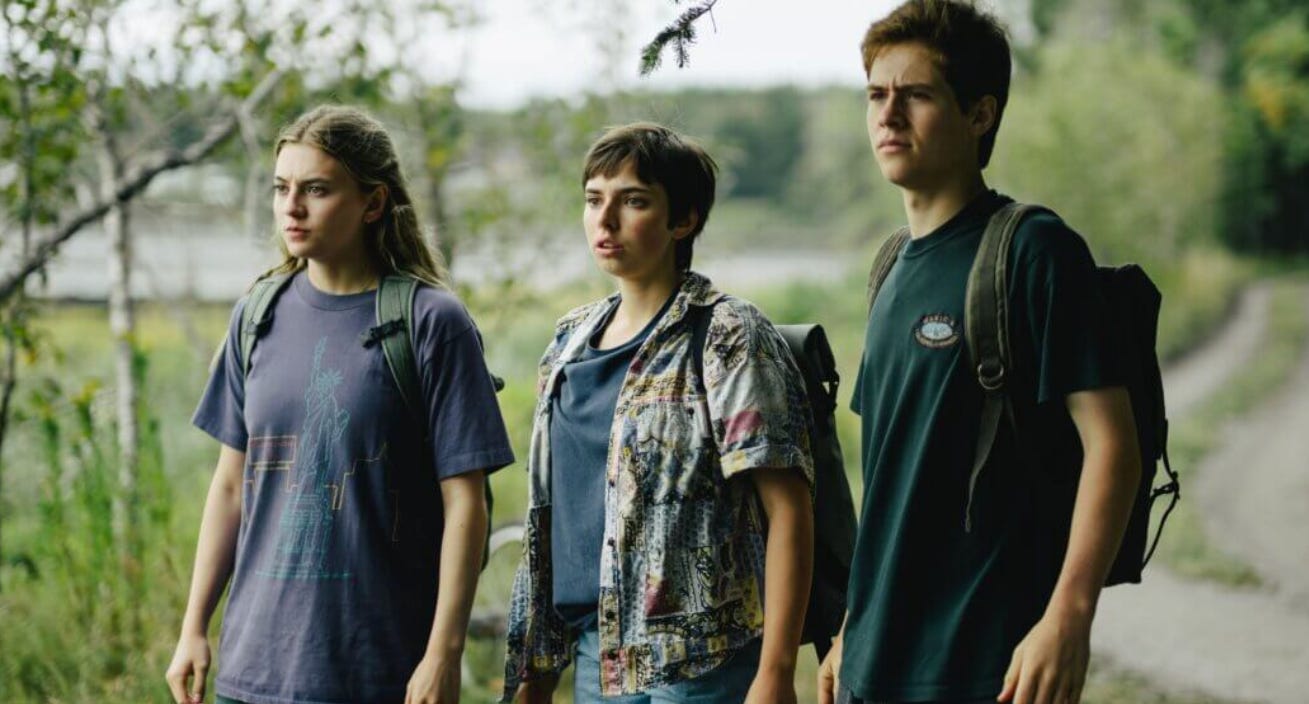
One of Quebec’s leading production and distribution companies, Téléfiction, made a notable appearance at the 2025 Angoulême Francophone Film Festival with Fanny, directed by Yan England and selected in the official competition. For president Claude Veillet and producer Annie Blais, the selection is more than just a festival screening — it’s an opportunity to reinforce their company’s unique vision and deep-rooted commitment to youth-focused storytelling.
“It’s wonderful,” Veillet says. “Angoulême is classy and close to its audience. It’s an exceptional window for Quebec and for Francophonie as a whole.”
“It felt like the perfect occasion to connect with the French public,” adds Blais.
A Model That Starts with the Young
Founded nearly 30 years ago, Téléfiction has consistently straddled the worlds of television and cinema — a rare hybrid in the Canadian audiovisual landscape. From the outset, the founders made a strategic choice to stand out by specializing in youth content.
“There aren’t many films for young audiences in Quebec or France,” says Blais. “If we neglect them, we lose them. Why would someone go to the cinema at 25 or 30 if they’ve never developed the habit or desire earlier?”
The strategy has worked. Téléfiction has brought young people into theaters — no small feat in today’s streaming-dominated landscape.
Fanny: A Youth Book, Reimagined for All Ages
Though Fanny originates from a popular youth novel series, the team knew early on they wanted to expand its appeal.
“We wrote the script to reach a broader audience,” explains Blais. “From the start, with co-writer Stéphanie Lapointe and later director Yan England, we all had the same goal: to make a story that speaks to everyone.”
That instinct paid off: Fanny is currently the second-highest grossing Quebecois film at the local box office. One of the best-performing venues? A cinema in a student neighborhood.
“Getting 18–25 year-olds into theaters is incredibly difficult,” Veillet notes. “But this film did it.”
A Hands-On Production House
Téléfiction is both a producer and a distributor — a model that grants it full control, from development to release.
“We’re hands-on, from the first script meeting to post-production,” Blais says. “Some producers don’t even visit the set. That’s not us. We’re there for every step.”
Veillet echoes the importance of staying close to the process and having a clear editorial vision.
“In Quebec, it’s the distributors who unlock funding. You can’t even apply to SODEC or Telefilm without a distributor attached — much like TV, where broadcasters trigger financing.”
France: An Ambitious, If Uncertain, Market
Despite Téléfiction’s strong local track record, the French market remains both appealing and elusive.
“A market of 68 million people is obviously important,” Veillet says. “But will our films appeal to France? I really don’t know.”
Funding remains a challenge.
“We’re expected to make exportable films,” he explains. “We’re asked to deliver more, but with less money.”
As of now, Téléfiction has no active coproductions with France, but the company continues to explore opportunities.
Looking Ahead: New Films, New Frontiers
Among the upcoming projects is another feature with Fanny’s director Yan England.
“It’s a big project, very rooted in Quebec culture, and we’re waiting on responses from SODEC and Telefilm,” says Blais. The title? Dans une galaxie près de chez vous, a beloved sci-fi comedy franchise ripe for a new chapter.
The company is also developing other youth titles and feature films at various stages of writing and financing.
“Writing is never a linear process,” says Veillet. “Some scripts come together quickly, others take time. But we’re staying focused. We’ll find the right French coproducer eventually.”
For now, Angoulême offers an ideal moment to open doors.
“We’re here to meet distributors and help Fanny travel,” Blais concludes. “It’s a great opportunity.”
With a portfolio rooted in purposeful, youth-driven storytelling — and a willingness to evolve — Téléfiction is proving that Quebec cinema has something to say to every generation.