As the credits roll on summer 2025, Hollywood finds itself at a pivotal crossroads. On the surface, the headlines paint a picture of resurgence: theaters packed, franchises booming, and the U.S. box office on track to surpass $4 billion for the first time since the pandemic. But behind the scenes, an uneasy tension brews—marked by corporate shakeups, political entanglements, and a growing discomfort about the direction of the entertainment ecosystem.
Blockbusters Dominate: Lilo & Stitch, Minecraft, Superman
This summer’s box office champions recall pre-pandemic glory. Disney’s live-action remake of Lilo & Stitch leads the charge, raking in over $1.03 billion worldwide, thanks to savvy global marketing and a hit soundtrack featuring Dua Lipa.
Not far behind is Minecraft (Warner Bros.), capitalizing on its massive gaming fanbase with $956 million in global box office, setting a new record for video game adaptations. F1 the Movie, produced by Apple Studios and starring Brad Pitt, brought in $558 million, marking both Pitt’s highest-grossing film and Apple’s biggest theatrical success to date.
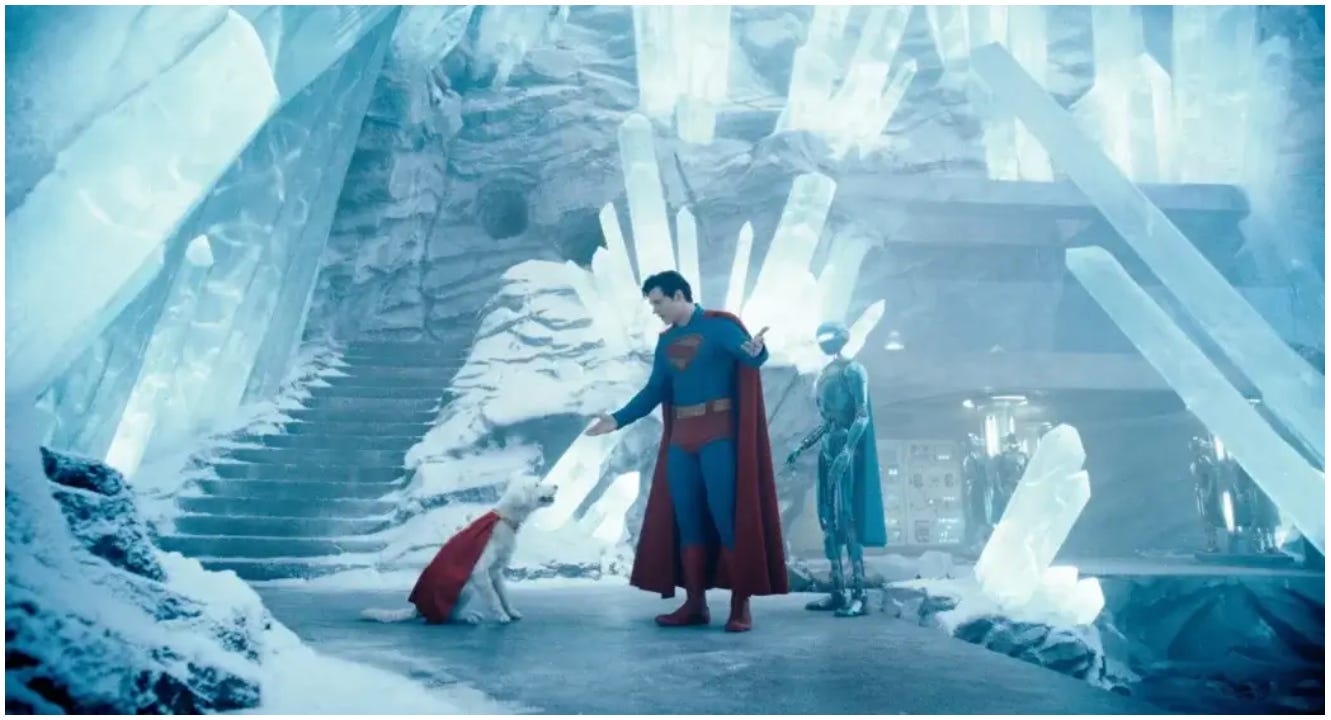
James Gunn’s Superman reboot earned $780 million, cementing his creative leadership at DC Studios. Meanwhile, Jurassic World: Renaissance pulled $725 million, proving dinosaurs still draw crowds despite lukewarm reviews. Dragons, a family-friendly live-action adaptation, added $690 million, bolstered by strong overseas numbers.
Not Everything Was a Hit
But not all studios were celebrating. M3GAN 2.0 (Universal) failed to capitalize on the horror craze, stalling at $150 million worldwide. Ballerina, a John Wick spin-off from Lionsgate, opened to a disappointing $24.5 million, and the highly publicized political drama Hurry Up Tomorrow grossed just $7.8 million, despite an aggressive promotional campaign.
“The industry is stabilizing,” said Paul Dergarabedian, senior analyst at Comscore. “But stability doesn’t mean dominance—and the fight for audience attention has never been fiercer.”
The $16 Million Question: Paramount and Skydance Merge
While theaters were bustling, corporate Hollywood was embroiled in controversy. On August 6, Paramount Global finalized its $8 billion merger with Skydance Media, creating the newly rebranded Paramount, a Skydance Corporation. David Ellison—Skydance founder and son of Oracle CEO Larry Ellison—now heads the new entity.
But the deal was overshadowed by a bombshell revelation: just weeks before closing the merger, Paramount quietly paid $16 million to President Donald Trump to settle a defamation lawsuit linked to a controversial 60 Minutes interview with then–Vice President Kamala Harris.
Officially, Paramount framed the payout as a "business decision" to avoid prolonged litigation. Unofficially, critics cried foul over the timing—especially amid regulatory scrutiny of the merger. The Freedom of the Press Foundation condemned the move, saying, “It’s hard not to see this as political pressure when a media conglomerate settles with a sitting president while trying to finalize an $8 billion merger.”
David Ellison, when pressed about the deal during the merger’s press conference, brushed off the controversy: “We’re not here to politicize anything.” He emphasized that Skydance had no role in the settlement, which was reached prior to the merger’s close.
Further fueling concerns was the ousting of Late Show host Stephen Colbert, after he labeled the settlement a “$16 million bribe” on-air. The "Colbert incident" underscored a broader fear in Hollywood: that corporate interests and political optics are increasingly dictating which stories—and storytellers—get a platform.
Hollywood’s Shifting Foundations
Beyond the headlines, Hollywood’s business model is undergoing a profound transformation. Studios are increasingly reliant on established IP—sequels, reboots, and live-action remakes—while taking fewer creative risks. Independent darlings like A24 and Neon continue to push artistic boundaries, but the pressure to appeal to global audiences is diluting bold storytelling.
Meanwhile, a migration of productions away from California in search of tax incentives has weakened local industry infrastructure. According to a Reuters investigation, none of this year’s Best Picture Oscar nominees were shot in Los Angeles.
Compounding the problem is the waning golden age of streaming. What once fueled an explosion in content is now constrained by investors demanding profits over growth. This has led to selective greenlighting and increased studio mergers.
The impact on the workforce has been severe. The industry still hasn’t fully recovered from the twin WGA and SAG-AFTRA strikes of 2023. Many projects remain in limbo. “It feels like nothing’s moving,” reported No Film School. Producer Tom Nunan (Crash) added, “I’ve never seen such a long period of despair… People are tired of waiting for studios to say yes.”
Recent natural disasters have also added to the chaos. Wildfires in California shut down studio operations, disrupted production schedules, and raised existential questions about the future of Hollywood’s infrastructure.
And then there’s AI. The technology is already reshaping how films are written, edited, and produced. While promising in terms of efficiency, AI also raises serious concerns about creative integrity, authorship, and regulation.
Eyes on Fall Festivals
As summer winds down, the industry’s focus shifts to awards season. Late-August releases like Freaky Friday 2, The Bad Guys 2, and a rebooted The Naked Gun will try to squeeze the last drops from summer ticket sales.
So far, no summer title appears to be a major Oscar contender, though technical categories may welcome Fantastic Four: First Steps. Instead, buzz is building around festival circuit favorites like Jay Kelly (a character-driven drama), After the Hunt (Todd Field’s first film since TÁR), the Cannes breakout Bugonia (a Korean experimental thriller), and Springsteen: Deliver Me From Nowhere, a music doc reportedly set to premiere at Telluride with Bruce Springsteen in attendance.
Conclusion: A Pivotal Chapter for the Industry
The summer of 2025 may look like a return to form—but Hollywood’s challenges run deeper than ticket sales. Amid political scrutiny, economic recalibration, and the looming influence of AI, the industry is at a crossroads.
As the lights dim on this blockbuster season, the question isn’t whether audiences are back. They are. The real question is whether the Hollywood machine—creatively, economically, and ethically—is ready to meet the moment.