A sector in revival
In 2024, French documentary production reached a new milestone. According to the CNC (Le marché du documentaire en 2024), total production increased by 7.4%, reaching 1,810 hours — the highest level in a decade. The average cost per hour climbed to €225,500, a 30-year record, confirming that producers are investing more heavily in ambitious, high-end projects.
Public broadcasters remain the driving force behind this revival, providing over 72% of broadcaster financing (mainly France Télévisions and ARTE). At the same time, platforms such as Netflix and Prime Video are increasingly co-financing original French documentaries. This renewed vitality has translated into editorial diversity, with creators tackling historical investigations, scientific exploration, environmental storytelling, and pressing social issues.
For international buyers, the message is clear: France is investing in ambitious, author-driven projects capable of competing on the global stage.
From local stories to global screens
Documentaries also remain a cornerstone of France’s international audiovisual presence. The latest CNC–Unifrance report (L’exportation des programmes audiovisuels français en 2024) recorded €44.3 million in sales abroad. While this marked a modest decline of –6.2% compared to 2023, it remains well above the 10-year average (€40.5 M). When presales (€9.1 M) and co-production inputs (€15.3 M) are included, the total documentary export flow reached €68.7 M — underlining the reliability of the genre on the world stage.
Western Europe accounted for 54.5% of all exports, with Belgium (€9 M, +53%) emerging as the leading buyer, ahead of Germany, Italy, and the UK. Beyond Europe, growth was strongest in Africa (+51.6%) and Central and Eastern Europe (+26.5%). The themes that travel best — history, science, geopolitics, and current affairs — highlight France’s longstanding tradition of rigorous, cinematic documentary filmmaking.
Despite shifting market conditions and local-content quotas, French documentaries retain strong export potential, supported by experienced sales companies and robust public funding. For international broadcasters and platforms, they offer a combination of editorial credibility, diversity, and production excellence.
The streaming shift
The digital revolution is reshaping how French documentaries are financed, distributed, and consumed. By 2024, 4,450 French documentary titles were available on SVOD platforms — more than double the volume of five years ago. At the same time, non-linear services (SVOD, AVOD, FAST) now account for 40.9% of total French audiovisual export revenues, a surge of +9.6 points in just one year.
While traditional TV rights remain dominant (52.7% of international revenues), digital exploitation is increasingly driving growth. FAST and AVOD channels, now responsible for 9.6% of international revenues, are extending the lifecycle of catalogue documentaries, bringing them to younger and more diverse audiences. With 58 FAST channels dedicated to factual and discovery content, French documentary is adapting to new forms of consumption while maintaining its editorial identity.
For distributors and producers, this digital shift presents both opportunities and challenges — from rights management and localization to audience engagement. But it also positions France as a forward-looking documentary hub, balancing tradition with innovation.
Success stories on the global stage
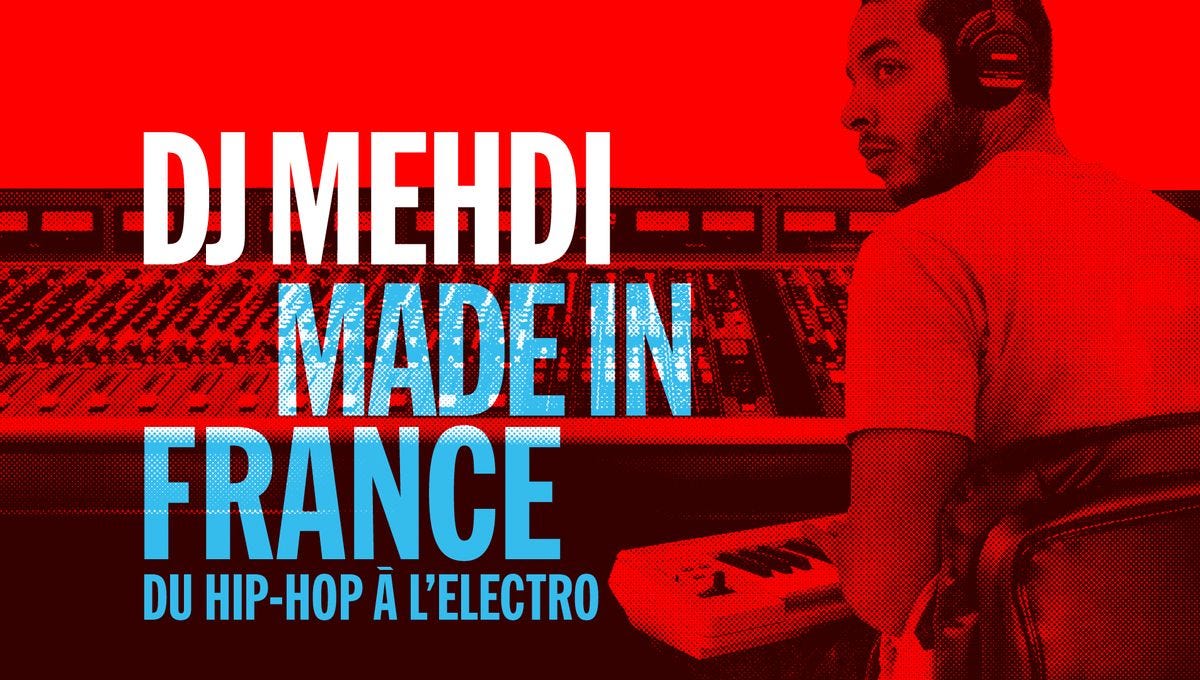
This industrial strength finds a mirror in creative achievements that have resonated internationally. TF1 Studio’s De rockstar à tueur: le cas Canta captivated audiences worldwide with its blend of true-crime investigation and cultural insight. DJ Mehdi: Made in France (ARTE Distribution), nominated for the International Emmy Awards, highlighted the global influence of France’s musical legacy. And Kaizen, spearheaded by YouTuber Inoxtag, drew Gen Z audiences into theaters — proof that documentary can reinvent its formats and find new audiences.
These titles underline the breadth of French documentary today: rooted in rigorous storytelling yet agile enough to meet the expectations of new generations of viewers.
Looking ahead
If one lesson has emerged from this MIPCOM, it is that French documentary is not only thriving at home but also finding fresh resonance abroad. With a production sector at a 10-year high, exports steady at nearly €70 million, and digital platforms expanding access to new audiences, the genre is poised for continued growth. For international partners, the French documentary ecosystem offers a powerful mix of creativity, resilience, and global ambition.